
Self-Deification and Its Limits
The Character of RainThis flow traces the Narrator (God)'s childhood conviction of divinity and the experiences that reveal its limits.
increasing Bearing strength in each event
 decreasing
Bearing strength in each eventdecreasingA God Without Awareness
A God Without Awareness
Divinity before a self
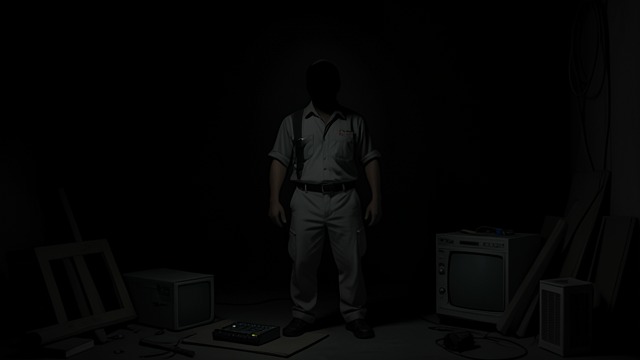
The opening describes God as complete and satisfied, yet without sight, language, or thought. This divine condition resembles the infant’s tube-like existence.
Power without action
The Narrator (God) initially lacks any desire to alter the world. The story asks whether divinity means anything when it cannot perceive, choose, or act.
The Child as a Deity
The Child as a Deity
Followers gathered
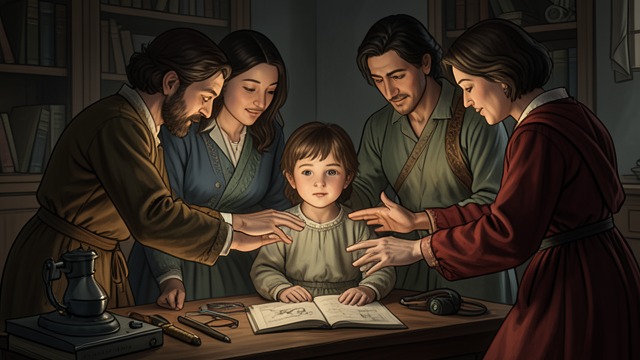
Nishio-san and other people treat the child with exceptional tenderness. The Narrator (God) interprets this devotion as worship and imagines itself at the center of a private religion.
Authority built from affection
The child’s divine status depends on the people who adore it. The household’s care gives self-deification its emotional force, even though the child misunderstands its human basis.
The Garden’s Answer
The Garden’s Answer
Nature as a subject
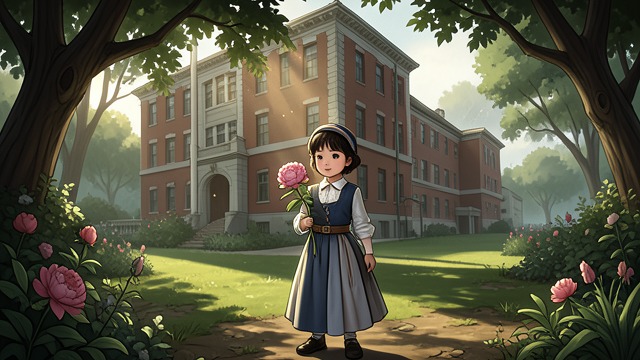
The child commands a flower to blossom and sees the next day’s peony as a response. The garden seems to confirm the Narrator (God)'s power over a growing world.
A kingdom bounded by walls
The garden supports a sense of sovereignty but remains a small, protected space. The child’s imagined dominion has not yet met the wider world’s resistance.
Kashima-san’s Refusal
Kashima-san’s Refusal
An audience unmoved
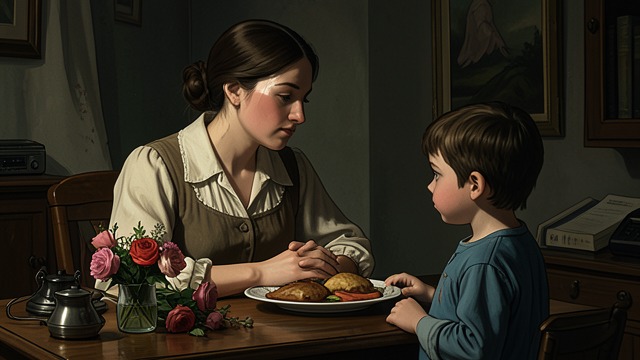
Kashima-san declines the child’s food, flowers, and carefully staged beauty. The Narrator (God) cannot make her respond with affection.
Power exposed as partial
Her refusal is the first sustained limit to the child’s imagined authority. The Narrator (God) explains it as Kashima-san’s personal defect rather than question its own entitlement.
The Pool’s Final Limit
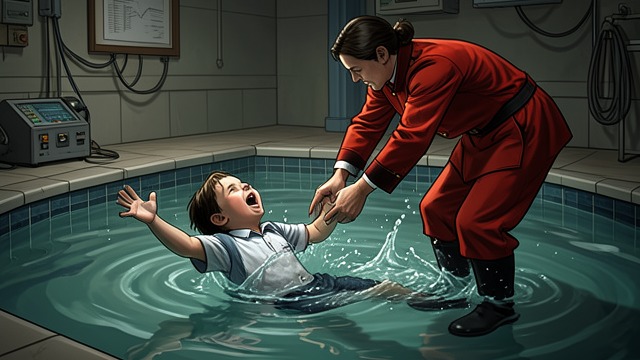
The Pool’s Final Limit
Mortality intrudes
The Narrator (God) surrenders in the koi pool, convinced that destiny permits death. Nishio-san’s rescue demonstrates that another person can interrupt the child’s chosen ending.
Divinity gives way to dependence
The child’s life depends on the action of someone outside its private kingdom. The episode does not erase the belief in divinity, but it makes the limits of personal control unavoidable.
Before the second birthday
After becoming Nishio-san's okosama
Spring 1970
Spring 1970, during the failed courtship
August 1970
